 3D MODELING
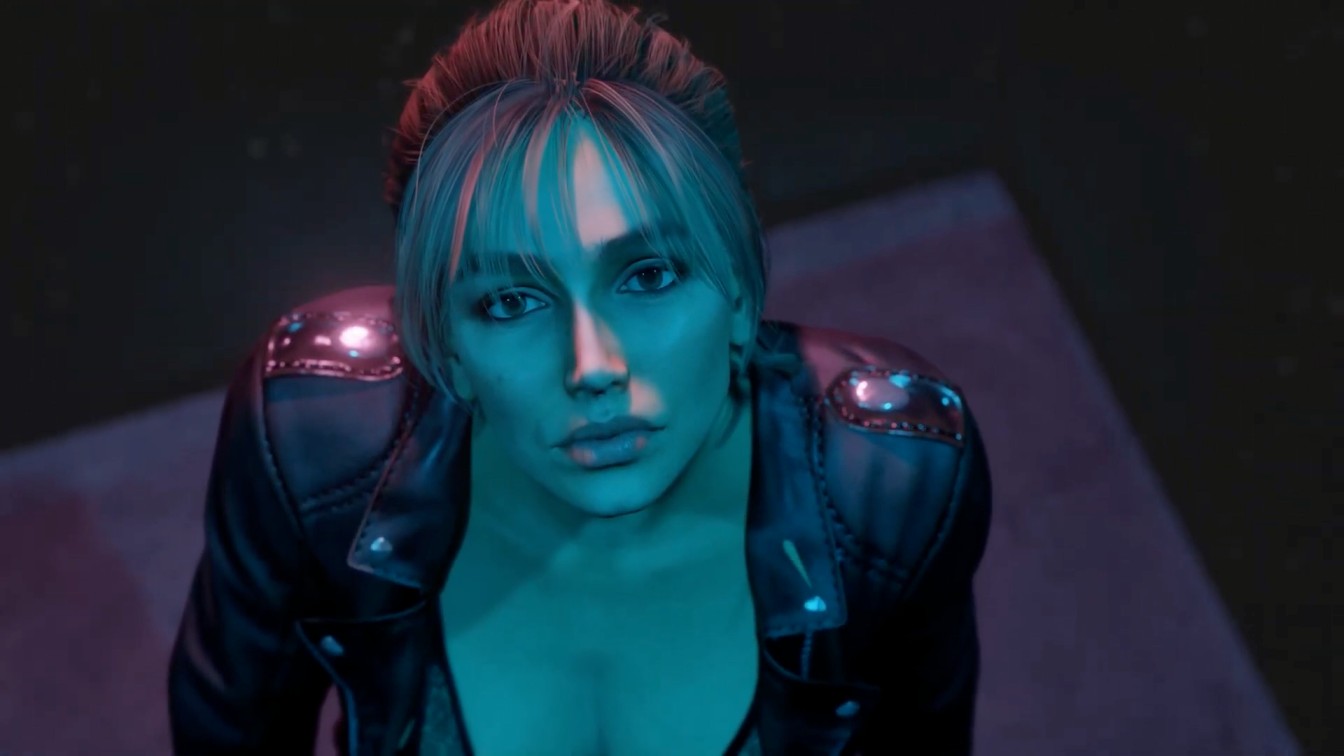
3D Modeling provides the foundational geometry and physical structure needed to support the project's digital environments. By carefully crafting meshes, optimizing topologies, and building custom assets for live-action integration, our artists make informed choices about spatial dynamics and scale, resulting in highly detailed, realistic elements that blend perfectly with practical footage.
ANIMATION
Effective animation caters to the energy of the track and the physical rules of the scene. Intuitive camera layouts, precise keyframing, and advanced VFX simulations—such as fluid dynamics, rigid body physics, and particle systems—enhance the visual flow, helping audiences experience a seamless, immersive connection between the live-action performance and the digital world.
RENDERING
Optimizing render passes, refining lighting engines, and seamlessly compositing CG elements over live-action plates enhance the overall VFX workflow. Efficient rendering allows for higher-fidelity outputs, realistic shadow catching, and a smoother production process.
Optimizing the final output involves balancing texture resolutions, managing polygon counts, and utilizing deep multi-pass compositing to perfect the final look. Highlighting the breakdown process—layering raw wireframes, rotoscope tracking, ambient occlusion, and final lighting passes—reveals the meticulous technical depth and artistry involved. Efficient rendering pipelines ensure that complex VFX elements resolve beautifully and indistinguishably from reality.